
Clean Eating
Clean Eating: Nourishing Your Body the Right Way
The term “clean eating” gets thrown around a lot these days, often attached to the latest diet fads or trends that take over social media. But true clean eating isn’t about cutting out entire food groups, depriving yourself, or following the latest influencer’s meal plan. Instead, it’s about being mindful of what your body needs, choosing whole, nutrient-dense foods, and avoiding overly processed ingredients that do more harm than good.
The Truth About Lunch Meat: It’s Not All Bad
One of the biggest misconceptions about clean eating is that you must avoid all processed foods, including lunch meats. While it’s true that many deli meats contain preservatives, added sugars, and nitrates that can be harmful in excess, not all lunch meat is bad. If you enjoy the convenience of deli meats, look for options that are minimally processed, nitrate-free, and made with simple, whole ingredients.
Brands that prioritize natural ingredients and avoid unnecessary additives make it possible to incorporate lunch meat into a clean-eating lifestyle without compromising health. Pairing it with whole-grain wraps, fresh vegetables, and healthy fats can turn a simple sandwich into a well-balanced, nutrient-packed meal.
Debunking Diet Misconceptions
Clean eating isn’t about restriction or blindly following diet fads. One of the biggest mistakes people make is jumping on the latest trend without considering their body’s unique needs. Keto, paleo, vegan, intermittent fasting—there’s no one-size-fits-all approach to nutrition. What works for one person may not work for another, and forcing yourself into a diet that doesn’t align with your lifestyle or bodily needs can do more harm than good.
Instead of following what’s popular, listen to your body. Are you craving protein? Maybe you need more iron or healthy fats. Do you feel sluggish? Perhaps it’s time to add more greens and fiber to your meals. The key to true wellness isn’t about following a rigid set of rules but learning to nourish yourself in a way that makes you feel good and supports long-term health.
The Power of an Anti-Inflammatory Diet
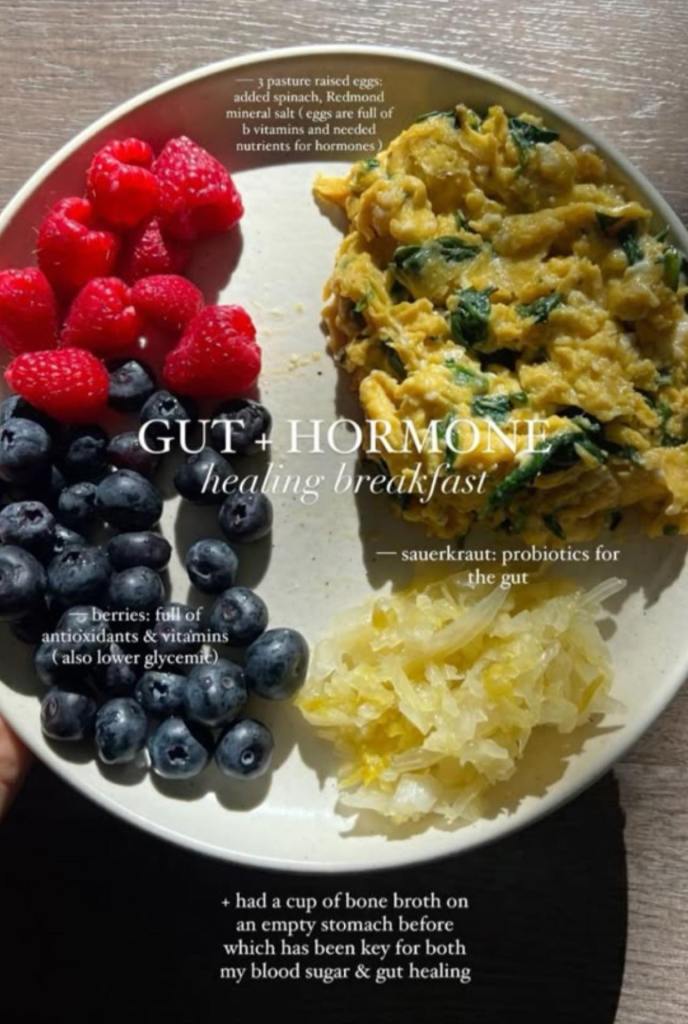
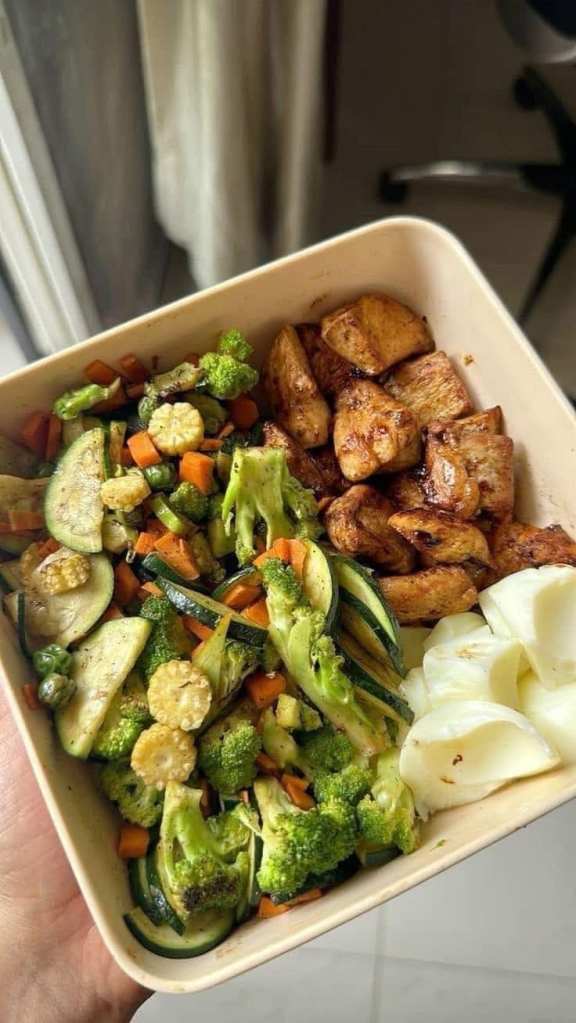
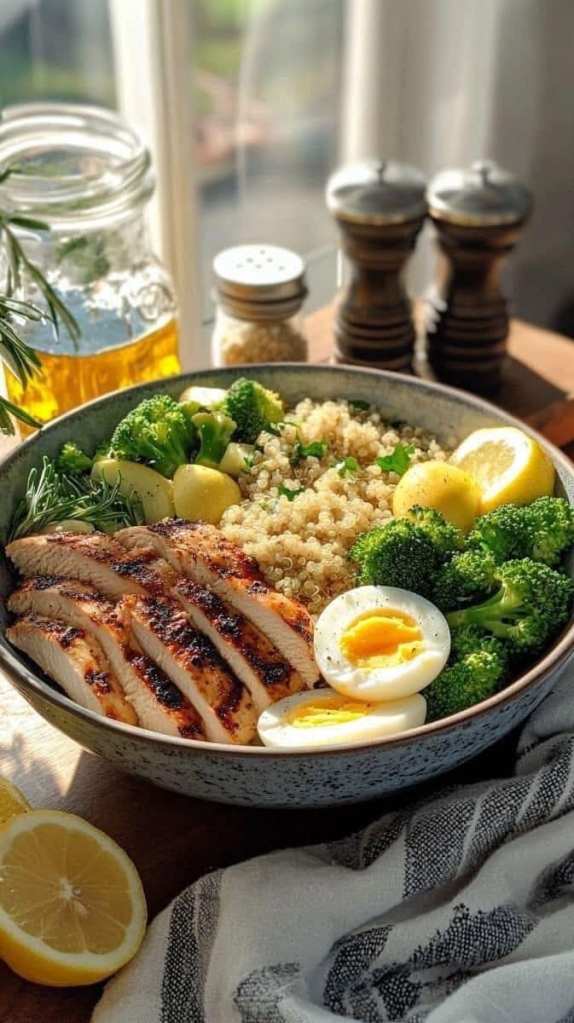
Whether you have an autoimmune disorder or not, reducing inflammation in the body can be incredibly beneficial. Chronic inflammation has been linked to a variety of health issues, including joint pain, digestive problems, bloating, fatigue, and even mental fog. Eating an anti-inflammatory diet—rich in whole foods, lean proteins, healthy fats, and fiber—can help combat these issues and improve overall well-being.
Anti-inflammatory foods include:
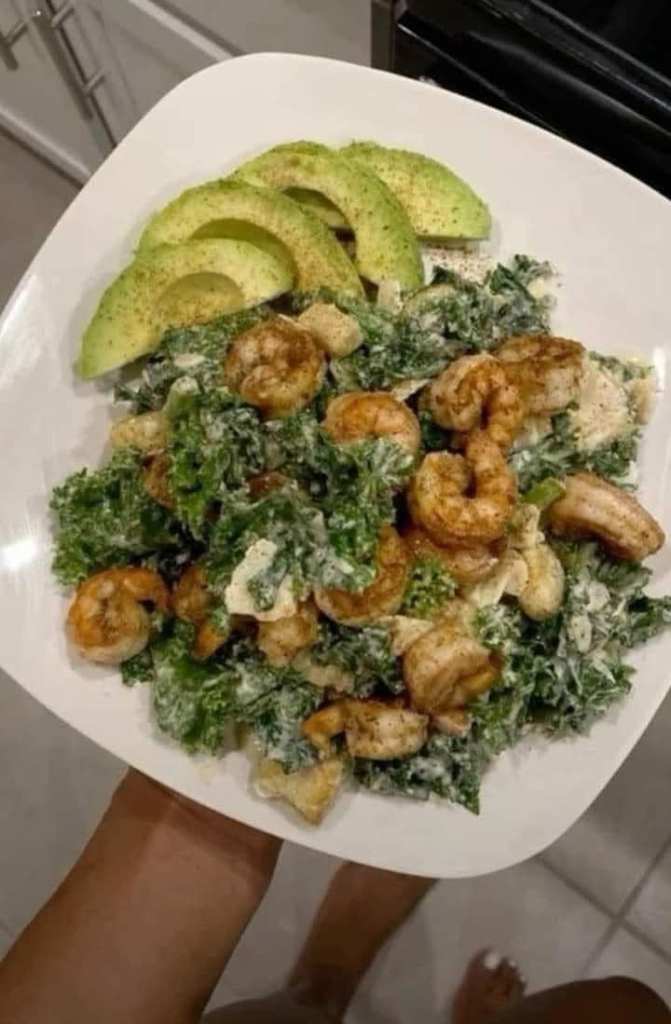
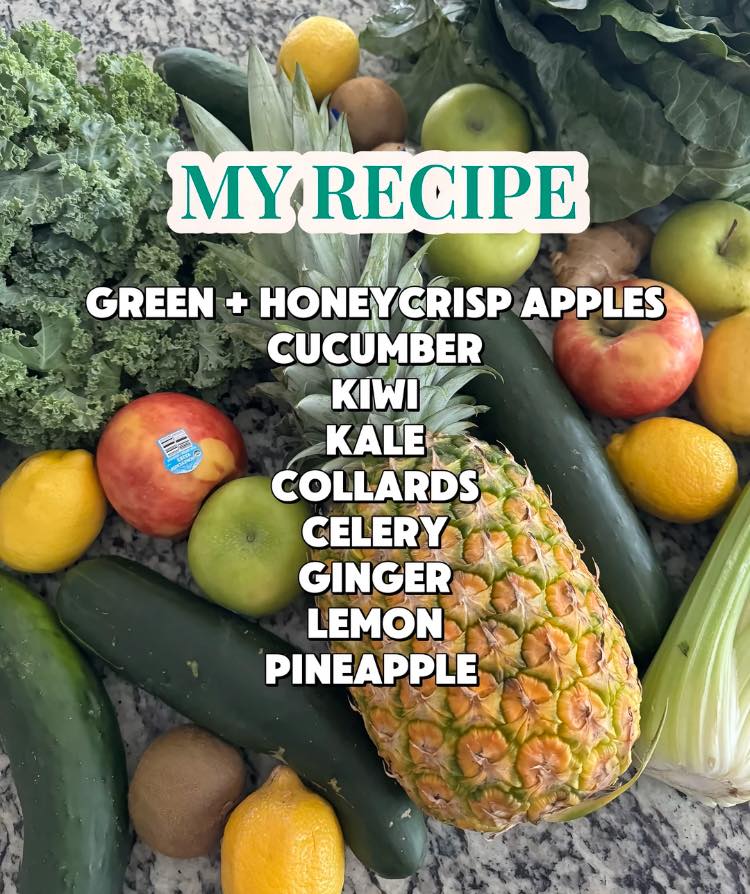
- Leafy greens like spinach and kale
- Fatty fish rich in omega-3s, such as salmon and sardines
- Nuts and seeds (almonds, walnuts, flaxseeds)
- Berries packed with antioxidants
- Turmeric and ginger for their natural healing properties
On the flip side, reducing processed sugars, artificial additives, and excessive refined carbs can help decrease bloating and promote gut health. Even if you don’t suffer from an autoimmune condition, eating in a way that reduces inflammation can boost energy levels, enhance digestion, and support overall longevity.
Simple Swaps for Cleaner Eating
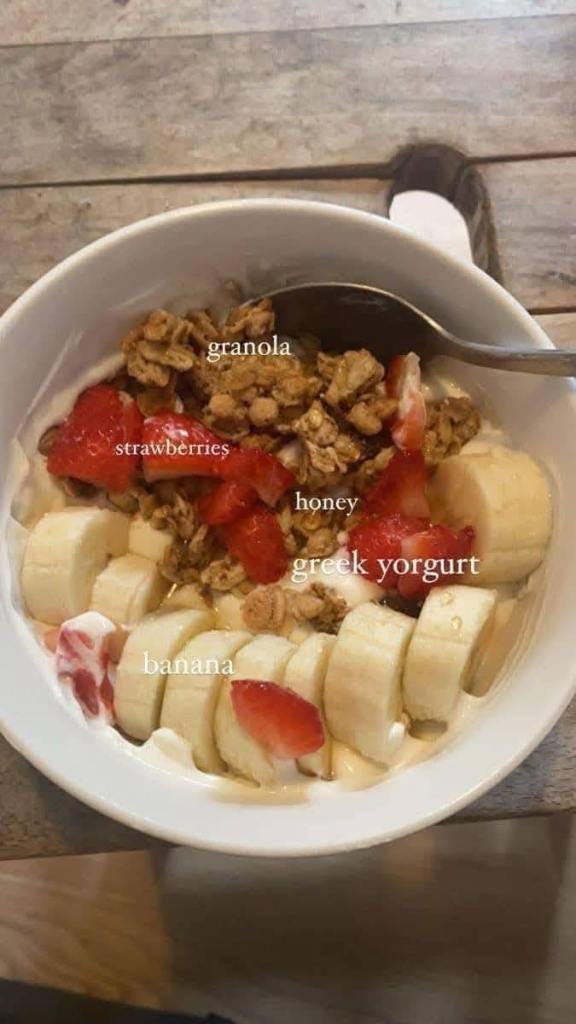
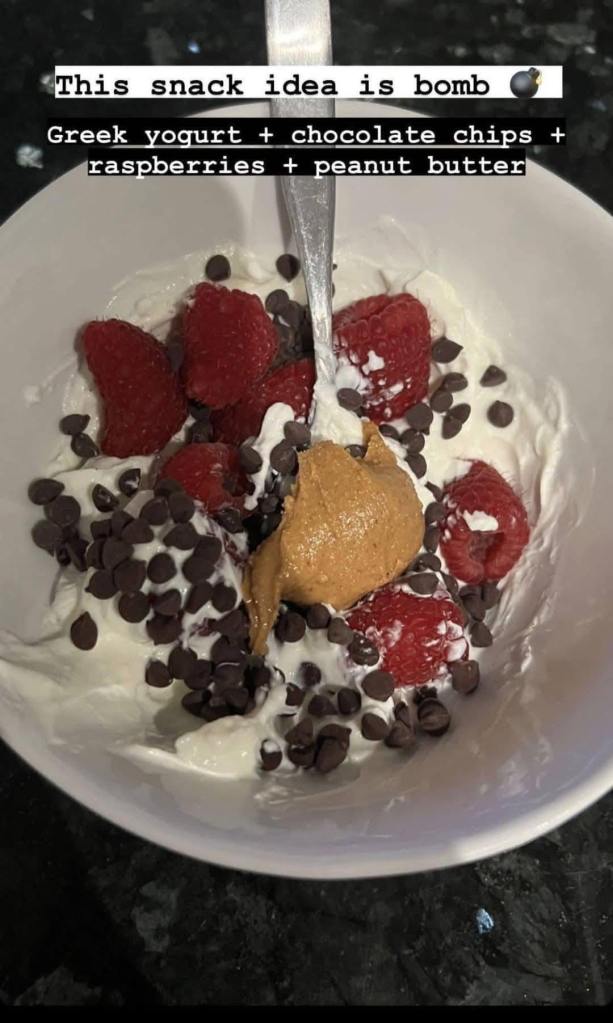
Clean eating doesn’t mean giving up all your favorite foods—it just means making smarter choices. You can always replace breads or flour-based items with gluten-free options or opt for allergy-friendly substitutes. If you typically use peanut butter, try almond butter or sunflower butter instead for a nutrient-dense alternative. Another easy switch is changing out your cooking oils—replace vegetable oils with healthier options like olive oil, avocado oil, or coconut oil for better fats that support overall health. Small swaps like these can make a big difference in reducing inflammation and fueling your body with the nutrients it needs.
Conclusion: Listen to Your Body, Not the Trends
Clean eating isn’t about perfection or sticking to a strict set of rules—it’s about making informed choices that nourish your body and support your long-term health. Ditch the diet fads and focus on what truly makes you feel good. Eating a diet rich in whole, anti-inflammatory foods while minimizing overly processed ingredients can be beneficial for everyone, not just those with health concerns.
At the end of the day, your body knows best. Listen to it, honor its needs, and fuel it with foods that promote vitality and balance. Clean eating is about sustainability and wellness—not about following trends that may not serve you in the long run.
Much love and many blessings,
Mrs. B























Discover more from LunaOwl : The Unconventional Momma
Subscribe to get the latest posts sent to your email.
